

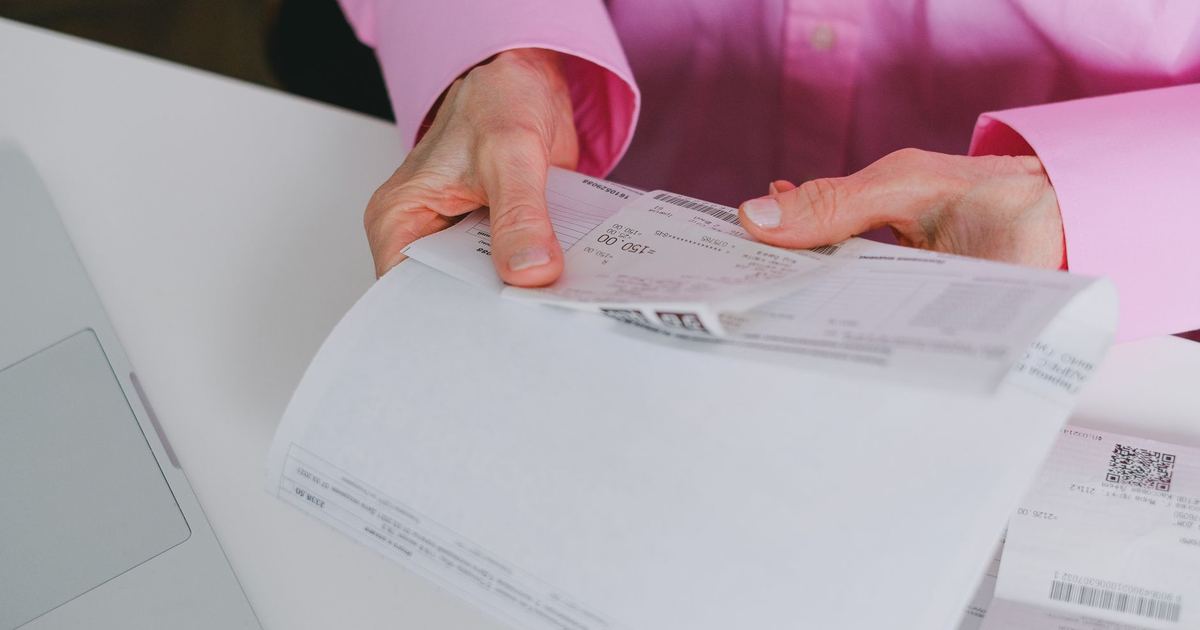
- An Air Waybill (AWB) is a non-negotiable document serving as both a cargo receipt and evidence of the contract of carriage by air.
- Key data boxes include Shipper, Consignee, Chargeable Weight, Handling Information, and Nature and Quantity of Goods.
- Errors in consignee details, inaccurate cargo descriptions, or missing dangerous goods declarations can lead to airport cargo holds and penalty fees.
- Traders must thoroughly verify the Draft AWB prior to flight departure and master the Cargo Correction Advice (CCA) process.
1. Overview of Air Waybill (AWB) and Its Role in the Supply Chain
An Air Waybill (AWB) is a cargo transport document issued by an airline or an authorized freight forwarder. In international air logistics, the AWB plays a vital role, acting as a receipt for goods, evidence of the contract of carriage between shipper and carrier, a basis for freight calculation, and a mandatory document for customs clearance at both departure and destination airports.
Unlike an Ocean Bill of Lading (B/L), which can be issued as a negotiable document (negotiable / order B/L) serving as a document of title, an AWB is by default non-negotiable. This means the airline will deliver the cargo directly to the named Consignee on the waybill upon presentation of proper identification and completion of customs clearance, rather than requiring physical surrender of the original AWB.
In international trade practice, traders typically encounter two main types of AWBs:
- Master Air Waybill (MAWB): Issued directly by the airline to the freight forwarder (or a direct high-volume shipper). On the MAWB, the Shipper is typically the consolidator in the exporting country, and the Consignee is the destination partner agent in the importing country.
- House Air Waybill (HAWB): Issued by the freight forwarder (such as Viet Power Logistics) to the actual shipper and consignee under the commercial contract. The HAWB contains detailed shipment information and serves as the primary document for cargo release at the forwarder's destination warehouse.

2. Standard Structure and Key Data Boxes on an Air Waybill
A standard Air Waybill follows the format established by the International Air Transport Association (IATA). An AWB number consists of 11 digits: the first 3 digits represent the Airline Prefix, followed by an 8-digit serial number. All information on an AWB is organized into standardized data boxes in English.
| Data Box Group | AWB Field Name | Operational Content & Significance |
|---|---|---|
| Party Details | Shipper's Name and Address / Consignee's Name and Address / Issuing Carrier's Agent | Full name, address, tax identification code, and contact details of the shipper, consignee, and issuing agent. |
| Routing Details | Airport of Departure / Airport of Destination / Requested Flight/Date | Airport of departure, destination airport, transit airport codes, carrier codes, and scheduled flight details. |
| Financial Details | Accounting Information / Declared Value for Carriage / Declared Value for Customs | Payment remarks, declared value for carriage insurance, and declared value for customs (or NVD - No Value Declared). |
| Freight Charges | PPD / COLL (Prepaid / Collect indicators) | Payment terms: PPD (Prepaid at origin) or COLL (Collect at destination) for main freight and ancillary charges. |
| Cargo Specifications | No. of Pieces / Gross Weight / Chargeable Weight / Rate Class / Rate/Charge | Piece count, gross weight (kg), chargeable weight (kg), rate class, and air freight rate/charge. |
| Description & Special Instructions | Nature and Quantity of Goods / Handling Information | Commercial and technical cargo descriptions, UN Number/Class for Dangerous Goods, temperature control instructions, and emergency contacts. |
3. Detailed Guide to Verifying 4 Core Data Box Groups
3.1. Shipper and Consignee Information Boxes
Located in the top-left corner of the AWB, these boxes establish the legal rights of ownership and cargo entitlement. Shippers and consignees must cross-check character by character company names, registered business addresses, tax codes (or EORI numbers for European markets), and contact details. For international trade under Incoterms using Letter of Credit (L/C) payment terms, consignee details must strictly match the L/C instructions (often made "To Order" of the issuing bank or named precisely as the beneficiary).
3.2. Weight Parameter Boxes: Gross Weight and Chargeable Weight
This section is the most common area for billing disputes on an AWB. Gross Weight is the total physical weight of the cargo, packaging, and pallets as weighed at the airport terminal. Meanwhile, Chargeable Weight is the figure multiplied by the freight rate (Rate/Charge) to determine air freight costs. Per IATA standards, Chargeable Weight is the higher value between Gross Weight and Volumetric Weight (Volumetric Weight = [Length x Width x Height (cm)] / 6000).
When reviewing this section, traders must verify that Chargeable Weight is accurately calculated, as any unexpected increase in Chargeable Weight directly escalates total freight expenditure.
3.3. Cargo Description Box (Nature and Quantity of Goods)
Located in the lower-right area, this box displays the actual description of the goods being transported. IATA regulations and global customs authorities strictly prohibit generic terms such as "
This article is for general information and was compiled by VPL from public sources at the time of publication. Regulations may change – please contact VPL for advice on your specific shipment.