

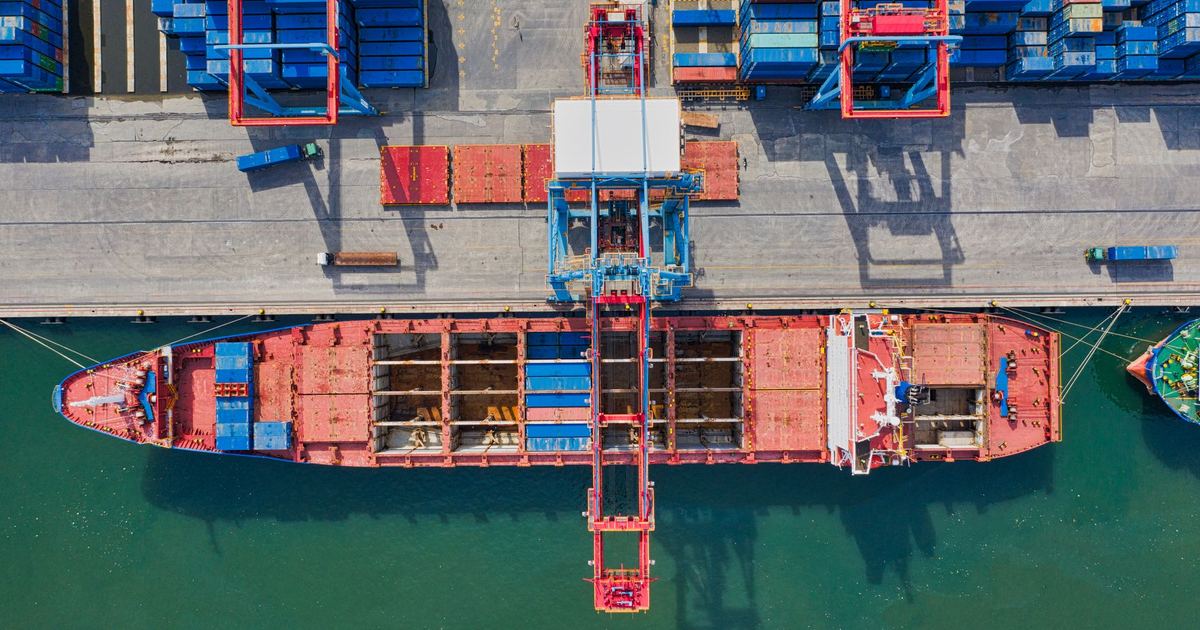
- Overview of the vital role of regulatory customs compliance in international supply chain operations.
- Step-by-step electronic customs clearance workflow from documentation preparation to cargo release.
- Declaration channel routing mechanism (Green, Yellow, Red) and strategies to minimize physical cargo inspections.
- Common declaration errors in HS codes, customs valuation, and labeling, along with practical mitigation practices.
- Critical customs considerations for specialized inspection commodities and dangerous goods consignments.
1. The Nature of Customs Regulations and the Importance of Compliance
Customs regulations represent a comprehensive system of legal principles, standards, and statutory procedures promulgated by state regulatory authorities to monitor and control cross-border cargo flows. For any enterprise engaged in import-export activities in Vietnam, strict compliance with these regulations is not merely a statutory obligation, but a critical operational factor determining supply chain velocity and bottom-line commercial viability.
In day-to-day logistics operations, VPL frequently encounters shippers who focus intensely on negotiating procurement prices and international freight rates while neglecting customs clearance compliance. When declaration discrepancies arise, the consequential costs extend far beyond administrative fines to include port and airport demurrage, detention, and storage charges, the disruption of assembly lines due to delayed raw materials, or even contractual cancellations by international buyers caused by missed delivery schedules.
To proactively mitigate regulatory exposure, enterprises must instill a compliance-first governance mindset starting at the foreign trade contract negotiation stage. Mastering tariff classification rules, rules of origin, customs valuation methodologies, and specialized regulatory management policies enables traders to transition from reactive firefighting to proactive, end-to-end control over the clearance timeline.

2. Standard Customs Clearance Workflow for Import and Export Shipments
Customs clearance in Vietnam is primarily processed via the VNACCS/VCIS automated cargo and clearance system. While automation has drastically reduced digital processing times, traders must execute standardized end-to-end operational steps to maintain seamless cargo transit:
- Preparation and Audit of Shipping Documentation: Prior to vessel arrival or flight touchdown, the declarant must compile and audit the core documentation dossier, including the Sales Contract, Commercial Invoice, Packing List, Bill of Lading or Air Waybill, Certificate of Origin (C/O, if applicable), and corresponding specialized regulatory permits.
- Electronic Customs Declaration Transmission: Using meticulously reconciled shipping data, licensed customs brokers or internal trade compliance teams input declaration entries into customs software, verify all data fields, and transmit the electronic declaration to the VNACCS/VCIS system to receive routing results.
- Channel-Specific Procedural Execution: Depending on the automated routing assignment, the declarant settles applicable import/export customs duties and Value-Added Tax (VAT), submits electronic or physical dossiers for documentary review, or arranges physical cargo inspection with customs officers.
- Customs Clearance, Cargo Release, and Declaration Liquidation: Once fiscal liabilities and mandatory physical inspections (if any) are fulfilled, the customs declaration status is cleared. The declarant completes terminal gate procedures at port or bonded warehouse supervision areas to dispatch cargo to production facilities or load outbound cargo onto international conveyances.
- Record Archiving for Post-Clearance Audits (PCA): All related accounting vouchers, international payment proofs, and customs clearance dossiers must be retained for a statutory minimum of 5 years under prevailing legislation to facilitate post-clearance audits by customs authorities.
3. Electronic Customs Channel Routing and Risk Management Mechanisms
Vietnam Customs operates an automated risk management and profile evaluation engine. Channel assignment criteria are driven by multiple operational variables: the trader's regulatory compliance history, commodity risk profiles (high tariff rates, sensitive commodities, goods subject to specialized inspections), country of origin, and shipment frequency. Routing outcomes are categorized into three distinct operational codes:
| Routing Channel | Legal Significance | Operational Action Required by Declarant |
|---|---|---|
| Green Channel (Code 1) | Exempt from detailed documentary examination and exempt from physical cargo inspection. | The declarant remits applicable duties/taxes (if any) and prints the customs acceptance slip or barcode to proceed immediately with cargo collection or export dispatch at warehouse/port supervision points. |
| Yellow Channel (Code 2) | Detailed documentary audit required; exempt from physical cargo inspection. | The declarant transmits the electronic dossier through the customs portal. Customs officers review documentation for compliance regarding valuation, tariff classification (HS code), and regulatory policies prior to approving clearance. |
| Red Channel (Code 3) | Detailed documentary audit combined with physical cargo inspection (container scanning or manual unpack examination). | Following documentary approval, the cargo owner must coordinate container transfer, seal-breaking, and cargo devanning at the inspection yard for physical verification against declared manifests by customs officers. |
Operational experience at VPL demonstrates that maintaining a high ratio of Green Channel entries requires a clean compliance track record: zero duty payment arrears, zero fraudulent valuation declarations, timely submission of voluntary post-entry amendments prior to customs notification, and rigorous documentary consistency across all trade instruments.
4. Common Customs Declaration Errors and Preventive Measures
The vast majority of port bottlenecks stem not from prohibited merchandise, but from inadequate document reconciliation. The following discrepancies represent the most common pitfalls encountered by Vietnamese trading enterprises:
- HS (Harmonized System) Code Misclassification: Declarants often blindly adopt foreign suppliers' HS codes without cross-referencing Vietnam's Import-Export Tariff Nomenclature and the General Rules for the Interpretation of the Harmonized System (GIR). Incorrect classification causes tariff miscalculation and exposes the enterprise to administrative penalties for duty evasion or underpayment.
- Data Inconsistencies Across Shipping Documents: Discrepancies in cargo descriptions, Gross Weight, Net Weight, package counts, or Incoterms across the Commercial Invoice, Packing List, and Bill of Lading. Even a minor numerical variation can trigger channel reassignment to Red or halt clearance verification.
- Import Labeling Non-Compliance: Imported consignments entering Vietnam must bear original labeling showing the commodity name, manufacturer name and address, and country of origin. A supplementary Vietnamese label must subsequently be affixed before commercial market distribution. Numerous shipments face administrative fines, forced re-export, or customs clearance suspension solely due to non-compliant origin marking on outer packagings.
- Customs Valuation Declaration Inaccuracies: Omission of dutiable addition adjustments to the customs value, such as international transport freight charges (under E and F Incoterms rules), marine insurance premiums, licensing/royalty fees, or packaging costs. Conversely, some traders fail to deduct legitimate exclusions such as post-importation installation or inland transport charges.
The optimal preventive measure is implementing an exhaustive pre-lodgement cross-checking protocol: compliance officers must audit line-by-line item descriptions between the Packing List, Commercial Invoice, and manufacturer technical specifications to ensure absolute parity.
5. Specific Customs Considerations for Specialized Inspection and Dangerous Goods
Cargo subject to specialized management and Dangerous Goods (DG) represent the most complex customs processing categories in Vietnam, demanding rigorous knowledge of both foreign trade law and transport safety regulations.
For commodities subject to specialized inspection (phytosanitary, veterinary quarantine, state quality inspection, food safety inspection, or automatic import licensing), traders must master filing protocols on the Vietnam National Single Window (VNSW) portal. The critical requirement is identifying the correct governing ministry to register for inspection prior to or concurrently with declaration lodgement, preventing port dwell time where cargo cannot be transferred to enterprise preservation warehouses due to missing registration numbers.
For Dangerous Goods (chemicals, paints, solvents, lithium batteries, flammable liquids):
- Safety Data Sheet (MSDS/SDS): Declarants must secure a globally compliant 16-section SDS in English alongside an accurate Vietnamese translation to substantiate chemical composition, UN Number, hazard class, and concentration thresholds for substances listed under current chemical control regulations.
- Import Chemical Declarations: Importers must execute chemical declarations on the National Single Window prior to customs clearance for chemicals falling under mandatory reporting lists. Absence of a Chemical Declaration Confirmation will lead to an immediate clearance block at the border checkpoint.
- Packaging Specifications and Hazard Class Markings: Dangerous goods transported by maritime transport under the IMDG Code or air transport under the IATA DGR must feature compliant UN specification packagings, hazard class labels, and handling markings perfectly matching declaration data. Any mismatch between declared data and container/package physical markings will result in customs detention and technical testing orders.
6. Frequently Asked Questions Regarding Customs Regulations (FAQ)
How long does customs clearance typically take?
Under prevailing risk management benchmarks, Green Channel declarations clear automatically within seconds to minutes after duty settlement. Yellow Channel entries generally require 2 to 8 business hours from the submission of a valid electronic dossier. Red Channel clearance depends on container shifting logistics, devanning schedules, and technical testing/sampling timelines (if required), typically spanning 1 to 3 business days.
What should an enterprise do upon detecting an error on a submitted customs declaration?
Traders are legally entitled to submit post-declaration amendments. If supplementary declarations are lodged before customs authorities issue a notification of documentary audit or physical cargo inspection, the declarant is exempt from administrative misdeclaration penalties (though applicable duty differentials and late-payment interest remain payable).
Can cargo be moved to a private warehouse for storage prior to specialized inspection results?
Yes. For eligible commodities subject to specialized inspection, provided the storage facility meets regulatory preservation conditions and receives written approval from the inspecting authority or customs office, the importer may submit an application to transfer cargo to a private warehouse pending official test results. However, utilizing, processing, or commercially distributing the goods prior to certified conformity and formal declaration clearance is strictly prohibited.
Can goods be cleared with a delayed Certificate of Origin (C/O)?
Declarants may request delayed submission of the original C/O at the time of customs clearance within statutory regulatory timeframes (typically applying standard Most-Favoured-Nation [MFN] tariff rates at clearance, followed by a duty refund of the preferential tariff differential once the valid C/O is presented within the allowable deadline). Nevertheless, debt conditions and presentation deadlines must strictly comply with governing bilateral and multilateral trade pacts.
7. Safe Customs Clearance Solutions in Partnership with Viet Power Logistics (VPL)
Customs compliance is far more than accurately lodging an electronic entry; it is an intelligent supply chain management strategy. A standardized clearance workflow frees up working capital, safeguards brand reputation, and guarantees continuous operational tempo for import-export enterprises.
Understanding the complex regulatory hurdles and lead-time pressures faced by shippers, Viet Power Logistics (VPL) delivers premier, end-to-end licensed customs brokerage and logistics solutions. Headquartered in Ho Chi Minh City with an agile operational footprint spanning major sea ports and international airport customs sub-departments across Vietnam, VPL maintains exceptional domain expertise in pre-clearance documentary audits, accurate HS classification, specialized permit procurement, and rapid clearance of complex consignments including chemicals, batteries, electronic components, and dangerous goods.
Whether your shipment moves via time-critical air freight, Full Container Load (FCL), Less than Container Load (LCL), or integrated door-to-door freight forwarding, VPL's team of compliance specialists is dedicated to vetting documentation from origin to ensure your cargo clears customs legally, securely, and with maximum cost efficiency.
This article is for general information and was compiled by VPL from public sources at the time of publication. Regulations may change – please contact VPL for advice on your specific shipment.