

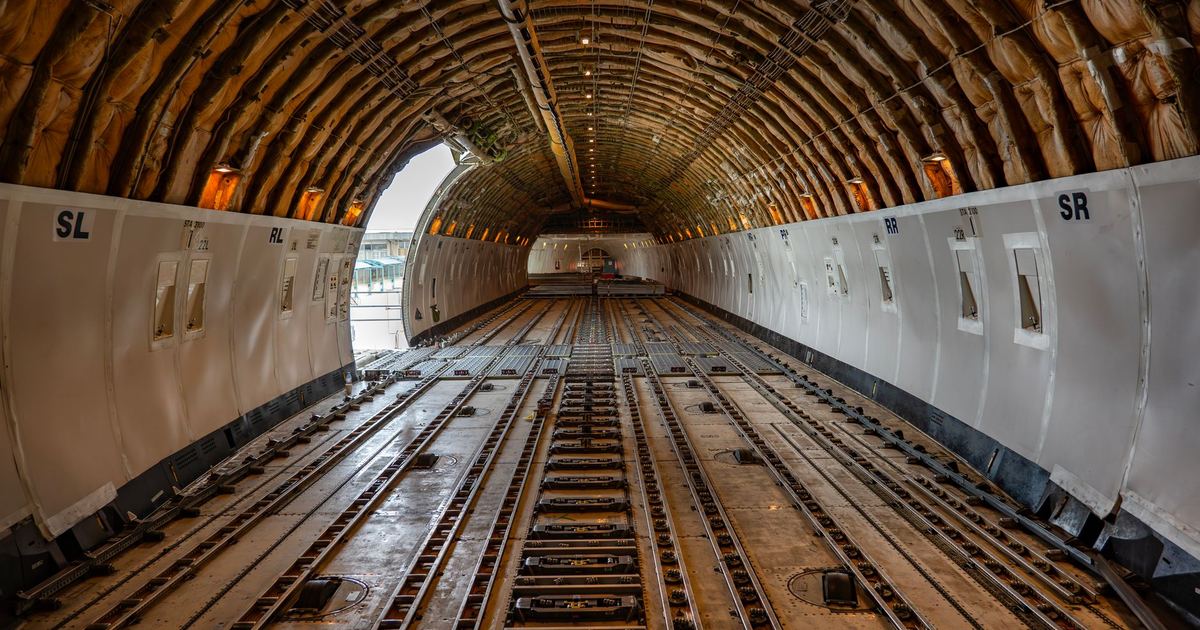
- Air freight congestion (Air Freight peak season) typically surges from Q4 until near Lunar New Year due to a spike in global consumer demand.
- Surging freight rates, Peak Season Surcharges (PSS), and offload risks place severe pressure on costs and delivery schedules for Vietnamese shippers.
- Dangerous Goods (DG) and chemicals face stricter compliance checks, risking delays if documentation and packaging are not fully compliant.
- Businesses should proactively plan early bookings, utilize flexible multimodal transport, and partner with professional logistics providers like VPL.
Current State of Air Freight Congestion During the Year-End Peak Season
Annually, entering the fourth quarter through the period approaching Lunar New Year, both the global and Vietnamese air freight markets enter the Peak Season. Transport demand for electronic components, garments, gifts, foodstuffs, and industrial chemicals surges to meet major shopping events like Black Friday, Cyber Monday, Christmas, and Lunar New Year. This sudden surge in cargo volume strains air transport infrastructure within a short timeframe.
At major aviation gateways in Vietnam, such as Tan Son Nhat International Airport (SGN) and Noi Bai International Airport (HAN), incoming cargo volume at international cargo terminals often temporarily exceeds processing capacity. Extended queues for security screening, build-up awaiting loading, and prolonged terminal dwell times become widespread. For importers and exporters, this translates into delivery delay risks, additional terminal storage charges, and heightened financial pressure caused by daily rate fluctuations.
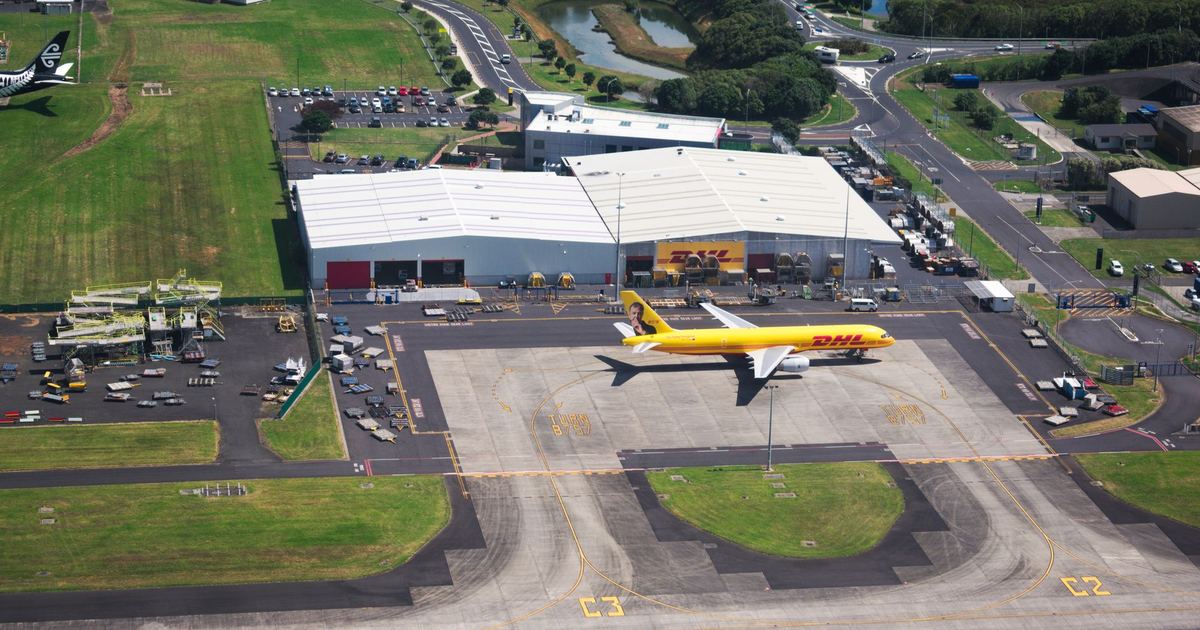
Key Causes of Air Freight Congestion During Peak Season
Year-end air transport congestion is not caused by a single factor, but rather by the compounding effect of multiple global supply chain variables. Clear identification of these drivers enables businesses to gain comprehensive insights for accurate forecasting:
- Surging Retail Consumer Demand: Global e-commerce brands and retailers aggressively stockpile for major holidays, causing a short-term surge in air freight orders. Factories in Vietnam must ramp up export throughput to meet contractual deadlines.
- Constrained Air Cargo Capacity: Although airlines deploy additional freighter flights, total transport capacity cannot match the demand surge, particularly on main-haul trade lanes to North America, Europe, and Northeast Asia.
- Cargo Offloading Risks: Due to passenger baggage prioritization on passenger flights (belly cargo) or payload restrictions from winter weather, air freight shipments are highly susceptible to unannounced carrier rolls/offloading to subsequent flights.
- Overburdened Airport Cargo Terminal Infrastructure: Cargo terminals face extreme pressure during sorting, security screening, and customs clearance, leading to significantly longer processing times compared to off-peak periods.
Impacts of Air Cargo Congestion on Importers and Exporters
Year-end air cargo congestion directly and severely impacts the business operations of Vietnamese enterprises. Understanding these risks empowers shippers to formulate effective contingency plans and mitigate operational disruptions.
| Impact Dimension | Peak Season Reality | Consequences for Shippers |
|---|---|---|
| Transport Costs | Air freight rates surge 1.5 - 2.5 times; Peak Season Surcharges (PSS) applied. | Elevated input logistics costs, eroding export order profit margins. |
| Transit Time | Cargo stranded at airport terminals for 2-5 days; frequent flight cancellations or reschedules. | Delayed delivery to overseas buyers, commercial contract breaches, and reputational loss. |
| Inventory & Cash Flow | Backlogged cargo at terminals; soaring storage fees at TCS/SCSC/ALSC. | Tied-up working capital, delayed receivables, and disruption to financial planning. |
Specific Challenges for Dangerous Goods (DG) Air Transport During Peak Season
As a specialist in Dangerous Goods (DG) transport, VPL notes that shipments of chemicals, lithium batteries, paints, adhesives, or temperature-controlled pharmaceutical samples face significantly higher delay risks than general cargo during peak season.
This stems from the stringent compliance and meticulous screening required by IATA DGR regulations. When cargo terminals are congested, airline and terminal acceptance personnel execute the Dangerous Goods Acceptance Checklist with extreme rigor to ensure absolute safety. A minor discrepancy on the Shipper's Declaration for Dangerous Goods (DGD), incorrect labeling, or non-compliant UN specification packaging will result in immediate rejection, forcing shippers to restart acceptance procedures from scratch.
Furthermore, many airlines restrict or suspend DG acceptance on passenger flights during peak periods to prioritize capacity for general cargo and passenger baggage. Consequently, booking DG shipments at year-end requires logistics providers with specialized capabilities to engage dedicated freighter operators and maintain precise schedule control.
Proactive Mitigation and Cost Optimization Strategies for Traders
To navigate year-end air cargo congestion, importers and exporters must transition from reactive to proactive stances through the following flexible strategies:
- Early Planning and Advance Booking: Shippers should forecast cargo volumes and secure bookings at least 2-4 weeks prior to the estimated time of departure (ETD). Advance space reservation secures flight capacity and stabilizes freight rates before price hikes.
- Flexible Multimodal Solutions (Sea-Air / Multimodal): For non-urgent shipments, traders can evaluate sea-air multimodal transport (combining ocean and air via transshipment hubs) or route partial volumes via expedited ocean freight to reduce logistics expenditures.
- Packaging and Volumetric Weight Optimization: Audit packaging parameters to minimize chargeable weight (dimensional weight ratio). Proper, standardized packaging also ensures seamless passage through airport security screening systems without bottlenecks.
- Pre-clearance Documentation Readiness: Ensure Commercial Invoices, Packing Lists, MSDS/SDS (for chemical goods), and specialized permits are 100% compliant before dispatching cargo trucks to airport terminals.
Effective Collaboration Between Shippers and Logistics Partners (VPL)
Amid intense year-end market volatility, partnering with a reputable logistics service provider deeply versed in air freight and Dangerous Goods handling, such as Viet Power Logistics (VPL), is key to ensuring operational stability for shippers.
At VPL, we deliver end-to-end air freight solutions ranging from routing consultation, priority booking allocation with international carriers, to IATA DGR-compliant packing services and expedited customs clearance at SGN and HAN. VPL's expert operational team closely monitors every milestone, proactively resolving terminal exceptions to ensure your cargo departs on schedule with optimized costs.
Frequently Asked Questions Regarding Year-End Air Freight Congestion (FAQ)
When does year-end air freight congestion typically occur?
The peak period usually begins in mid-October and lasts through the end of January of the following year (prior to Lunar New Year), peaking during the weeks leading up to major shopping events such as Black Friday, Christmas, and Lunar New Year.
How can shippers avoid cargo offloading at airport terminals?
Shippers should partner with forwarders holding fixed space allocations with airlines, adhere strictly to packaging standards, complete customs documentation early, and tender cargo to airport terminals at least 4-6 hours prior to cargo cutoff time.
Do air freight rates fluctuate abruptly during peak season?
Yes. Peak season air freight rates fluctuate daily or weekly. Airlines frequently apply Peak Season Surcharges (PSS), and spot rates vary dynamically depending on real-time flight capacity.
Can Dangerous Goods (DG) be carried on passenger flights during peak season?
This depends on the specific classification of the dangerous goods (UN number, Hazard Class) and carrier policies. However, during peak season, airlines prioritize payload for general cargo, so DG is often routed via Cargo Aircraft Only (CAO) freighters to ensure safety and capacity availability.
How can VPL support shippers when cargo faces airport terminal congestion?
VPL maintains dedicated ground operational teams on-site at SGN/HAN terminals to inspect cargo, expedite customs documentation resolution, liaise with airlines for priority uplift, and offer alternative re-routing solutions whenever necessary.
This article is for general information and was compiled by VPL from public sources at the time of publication. Regulations may change – please contact VPL for advice on your specific shipment.