

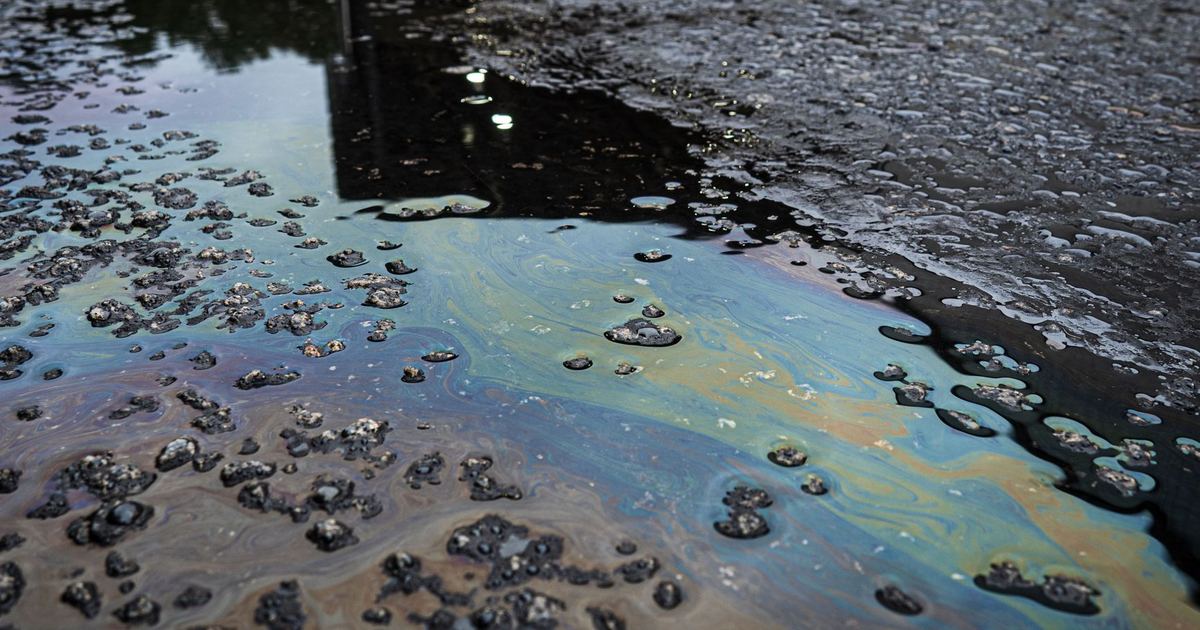
- Identify root causes of chemical leaks ranging from packaging and dunnage to transport vibration.
- A 5-step emergency response process to protect personnel, isolate the area, and minimize cargo damage.
- Equip chemical Spill Kits and utilize Salvage Packaging in compliance with international standards.
- Specific technical considerations for leaks aboard vessels (per IMDG Code) and aircraft (per IATA DGR).
1. Risk Identification and Causes of Chemical Leaks in the Supply Chain
Industrial chemicals, organic solvents, additives, and raw materials represent highly sensitive cargo categories during warehousing and international transport. Chemical leaks do not merely cause commercial value losses; they also pose risks of fire and explosion, container corrosion, structural destruction of warehouses, water source contamination, and direct threats to the health of operational personnel. In daily operational practice at VPL, we observe that most leakage incidents stem from subjective factors during cargo preparation rather than random transport vehicle failures.
The leading cause is the selection of packaging materials incompatible with the chemical properties of the cargo. Typically, highly corrosive chemicals (strong acids and bases under Class 8), if stored in thin plastic drums or jerricans without specialized UN certification, will rapidly degrade seals and cap joints, leading to leakage after a few days in storage. Another common scenario at Vietnamese seaports and airports is temperature and pressure variation. When loading cargo into containers during midday high temperatures or when an aircraft reaches cruising altitude, the liquid inside tends to expand or vaporize, generating extreme internal pressure. If packaging lacks adequate safety margin (ullage/outage) or if caps lack suitable pressure-relief valves, liquid will be forced past rubber gaskets.
Besides packaging factors, poor lashing & dunnage inside truck beds or ocean containers directly causes cargo movement. During multi-week sea voyages under severe weather and rough seas, lateral and longitudinal acceleration forces cause drums to collide, cracking drum bodies or snapping pallet strapping. Therefore, understanding these physical and chemical risks is a mandatory prerequisite for businesses to proactively establish defense plans and immediate response procedures when leaks occur.
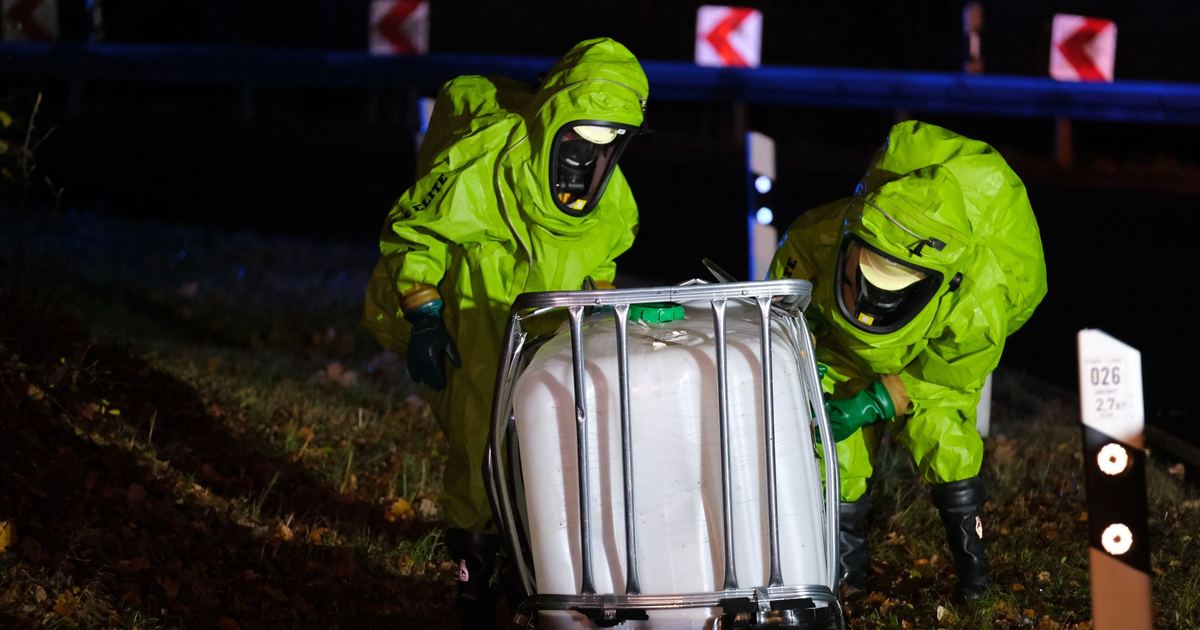
2. Paramount Safety Principles Upon Discovering a Chemical Leak
When a spill or chemical seepage incident occurs at a warehouse, berth, or cargo floor, the initial reaction of field personnel often determines the severity of the consequences. VPL strictly instills an unshakeable safety principle in our partners and technical teams: Human life and health are the absolute highest priority, taking precedence over cargo salvage. No employee is permitted to approach an area with leaked liquid or chemical vapors without appropriate personal protective equipment (PPE) and prior identification of the spilled substance.
To scientifically control the scene, responsible personnel must strictly adhere to the basic 4-step principle:
- Evacuate & Isolate: Immediately evacuate all non-essential personnel upwind from the danger zone. Use barriers, cones, or warning tape to isolate the area, eliminate all ignition sources, prohibit smoking, and forbid starting vehicle engines near the leak point.
- Identify via SDS: Retrieve cargo information using the UN number, Proper Shipping Name on package labels, or consult the Safety Data Sheet (SDS/MSDS). Pay special attention to Section 6: Accidental Release Measures and Section 8: Exposure Controls/Personal Protection to identify exact materials required for containment or absorption.
- Absolute Personal Protection (PPE): Only trained personnel equipped with specialized respirators (suitable for organic vapors or toxic gases), chemical-resistant oil/acid gloves, rubber boots, and impermeable protective suits may approach the leak source.
- Emergency Notification: Immediately contact the environmental safety department of the warehouse, transport unit, and professional authorities (Firefighting & Rescue forces) if the spilled chemical volume exceeds the facility's self-containment capacity.
3. Five-Step Emergency Response and Chemical Spill Handling Process
To help logistics operations and import-export enterprises act proactively during incidents, VPL systematizes the emergency intervention procedure into 5 standardized steps, applicable to both inland warehouses and container yards:
- Step 1 - Risk Assessment and Emergency Signal: Upon receiving a leak report, the scene supervisor must quickly estimate the incident scope (spread area, leak rate, flammability, or toxicity). Sound alarms or broadcast over internal radio systems to seal off the area and activate the on-site quick response team.
- Step 2 - Source Control: If safe conditions permit (responders are fully equipped with PPE), reduce or stop the flow using simple mechanical actions: upright tipped drums or jerricans, rotate puncture/crack points upward to halt liquid discharge, or apply soft wooden wedges and specialized tape to temporarily seal holes.
- Step 3 - Containment and Flow Isolation: Deploy chemical sorbent socks or dry sand/earth to build dikes around the liquid spill. Strictly prevent liquid chemicals from flowing into storm drainage systems, domestic wastewater manholes, or seeping directly into natural soil.
- Step 4 - Collection, Absorption, and Neutralization: Apply absorbent powders or specialized absorbent pads to the liquid surface from the outer edges inward. For inorganic acids or bases, specialized neutralizing agents (such as hydrated lime or sodium bicarbonate for acids) may be applied per SDS technical guidelines to bring pH to safe levels before cleanup. Collect all chemical-saturated absorbent materials into hazardous waste containers.
- Step 5 - Surface Decontamination and Incident Reporting: Wash the handled area using water and suitable cleaning solutions (collecting wash water if highly toxic). Draft an incident report detailing discovery time, leak cause, package code, quantity lost, intervention measures, and waste disposal plans in compliance with prevailing environmental protection regulations.
4. Emergency Response Equipment (Spill Kit) and Salvage Packaging
A common mistake across many warehouses and transport vehicles is the lack or incorrect specification of emergency response equipment. A Chemical Spill Kit is mandatory equipment required at storage areas, Container Freight Stations (CFS), and on road transport vehicles carrying dangerous goods.
The core components of a standard Chemical Spill Kit for corrosive chemicals and hazardous solvents include:
| Equipment Item | Specification and Function | Operational Note |
|---|---|---|
| Sorbent Socks | Length 1.2m - 3m, filled with high chemical-resistant polypropylene fibers | Place around chemical pools to contain spreading before applying pads. |
| Chemical Absorbent Pads | Standard yellow (Hazmat), absorbs acids, bases, and aggressive solvents | Place directly onto liquid surface; wring out or replace when saturated. |
| Absorbent & Neutralizing Powder | Mineral granules or modified inorganic powder | Used to treat thin spills on rough floors or concrete cracks. |
| Heavy-Duty Waste Bags | Yellow/red Polyethylene bags with zip ties and hazardous labels | Holds all chemical-laden wipes and pads awaiting disposal. |
| Salvage Drum | UN 1A2/T steel or 1H2/T plastic drum, capacity 200L - 300L | Encloses the entire leaking drum to allow safe continued transport. |
Particularly in ocean and air freight, when an original package suffers a damaged cap or broken shell, shippers cannot simply wrap it in tape. International regulations mandate the use of Salvage Packaging bearing a UN mark with the letter "T" (e.g., UN 1H2T/Y...). The leaking package is placed entirely inside the salvage drum, with surrounding voids packed firmly with inert absorbent material to absorb any liquid that may escape during the remainder of the voyage.
5. Specific Leak Response Regulations Under IMDG Code and IATA DGR
Handling chemical leaks during international transport requires deep understanding of mode-specific safety standards for sea and air transport.
Sea Freight Under IMDG Code: Emergency Schedules (EmS) Procedures
On international container vessels, ship crews cannot immediately access factory experts; therefore, the International Maritime Organization (IMO) issued the Emergency Response Procedures for Ships Carrying Dangerous Goods (EmS Guide) supplementing the IMDG Code. Every dangerous substance assigned a UN number is allocated an EmS Spill Schedule (e.g., S-A for toxic liquids, S-C for flammable liquids, S-G for water-reactive substances).
When a container on deck or in cargo holds exhibits leaking liquid, fumes, or pungent odors, the crew refers to EmS schedules to decide whether to wash the spill overboard using high-pressure fire hoses (if the chemical is not severe marine pollutant) or strictly prohibit water if the substance releases toxic gases upon contact with moisture. For Vietnamese shippers receiving leakage notifications regarding containers at transshipment ports, the enterprise must immediately provide an accurate SDS so carrier and port technical teams can activate specialized cleanup response teams with compatible methods.
Air Freight Under IATA DGR: Impact of Sealed Cargo Holds and Pressure Differential
Chemical leaks aboard aircraft represent extremely severe aviation emergencies because an aircraft is a fully sealed system operating at altitudes of tens of thousands of feet. Toxic gases or fumes can enter flight deck and passenger cabin air conditioning systems. Consequently, airlines strictly adhere to the emergency response guidance in the ICAO Red Book (Doc 9481).
Liquid dangerous goods shipped by air under IATA DGR must always undergo a differential pressure test of at least 95 kPa (or higher depending on packing group). In the event of a cargo hold leak, the captain may need to activate cargo hold fire suppression systems, adjust flight deck pressurization, and execute an emergency landing at the nearest airport. Incidental costs for cleaning leaked chemicals on aircraft floors, decontamination, and flight delay compensations can reach hundreds of thousands of USD, with shippers bearing full liability if the root cause stems from improper packaging.
6. Root-Cause Leak Prevention Measures for Shippers
Incident response is a reactive corrective action; the optimal and most cost-effective solution for traders is proactive risk prevention starting right at factory preparation. VPL recommends that enterprises strictly implement the following supply chain control measures:
- UN Packaging Quality Control: Ensure all drums, jerricans, and IBCs (Intermediate Bulk Containers) used for hazardous chemicals are within valid service life and hold valid UN test certificates appropriate for the assigned Packing Group (Packing Group I, II, or III). Regularly inspect cap threads and chemical-resistant gaskets (EPDM, Viton, or PTFE) prior to tightening.
- Strict Compliance with Technical Closure Torque: Never tighten drum caps by guesswork. Manufacturers of drum closures and UN packaging provide standardized closure torque specifications (in N.m). Use calibrated torque wrenches to prevent caps from loosening under vibration while avoiding thread deformation that leads to gas leakage.
- Maintain Expansion Allowance (Outage/Ullage): When filling liquids into receptacles, never fill to 100% volume. Always maintain a minimum outage/ullage of 2% to 5%, depending on the thermal expansion coefficient of the chemical and expected temperature variations throughout transport.
- Professional In-Container Cargo Securing: Utilize certified dunnage air bags, heavy-duty composite strapping, and floor wooden blocking to secure palletized loads. Container center of gravity must be evenly distributed, eliminating all void spaces to prevent sliding or tipping during sharp braking or vessel rolling.
- Partner with Specialized Freight Forwarders: Partnering with logistics providers possessing deep dangerous goods expertise, such as Viet Power Logistics, helps shippers control the complete workflow: from MSDS/SDS verification, Class/UN marking and labeling guidance, compliant packaging under IATA/IMDG regulations, to dispatching specialized road vehicles licensed for hazardous transport.
7. Frequently Asked Questions Regarding Chemical Leakage Incident Handling (FAQ)
If a leaking chemical jerrican is discovered in a warehouse, should large amounts of water be flushed over it?
Absolulely do not flush water indiscriminately without ascertaining chemical properties from the SDS. Certain substances (such as concentrated sulfuric acid) react exothermically with water, causing violent boiling and hazardous acid splashing; alkali metals or organic compounds react with water to generate explosive hydrogen gas. Furthermore, flushing water increases hazardous waste volume spreading into the environment, contaminating groundwater and severely violating environmental protection laws.
How should chemical-saturated absorbent materials be disposed of after collection?
All chemical-saturated sand, wipes, pads, and socks are legally classified as hazardous waste. Enterprises must collect them into heavy-duty tear-resistant PE bags, clearly label them as hazardous waste, store them in covered areas, and contract licensed hazardous waste disposal contractors approved by state regulatory authorities for incineration or compliant recycling.
Are shippers subject to fines when chemical cargo leaks at seaports or airports?
Yes. If leakage occurs due to non-compliant packaging, misdeclaration of dangerous goods properties, or using non-UN certified packaging, shippers must not only bear all environmental cleanup and vehicle delay costs, but also face severe administrative fines from port authorities, customs, and civil aviation administrations.
Is keeping a Salvage Drum on standby mandatory in warehouses?
If your enterprise regularly stores, packs, or handles imports/exports of liquid chemicals in 200L drums or large jerricans, maintaining at least one Salvage Drum (1A2T or 1H2T) is a critical VPL recommendation. In drum breach emergencies, having a salvage drum allows instant isolation of the leak source, avoiding hazardous manual decanting operations.
How can Viet Power Logistics support shippers exporting leak-prone dangerous goods?
VPL provides end-to-end solutions including: detailed SDS evaluation; advisory on packaging specs and optimal UN container selection for each chemical sub-class; professional packing and lashing services compliant with international standards; accurate Dangerous Goods Declaration (DGD) issuance; and comprehensive support with customs procedures and safe door-to-door ocean and air freight transport.
This article is for general information and was compiled by VPL from public sources at the time of publication. Regulations may change – please contact VPL for advice on your specific shipment.